The Rise of AI in Automotive Industry
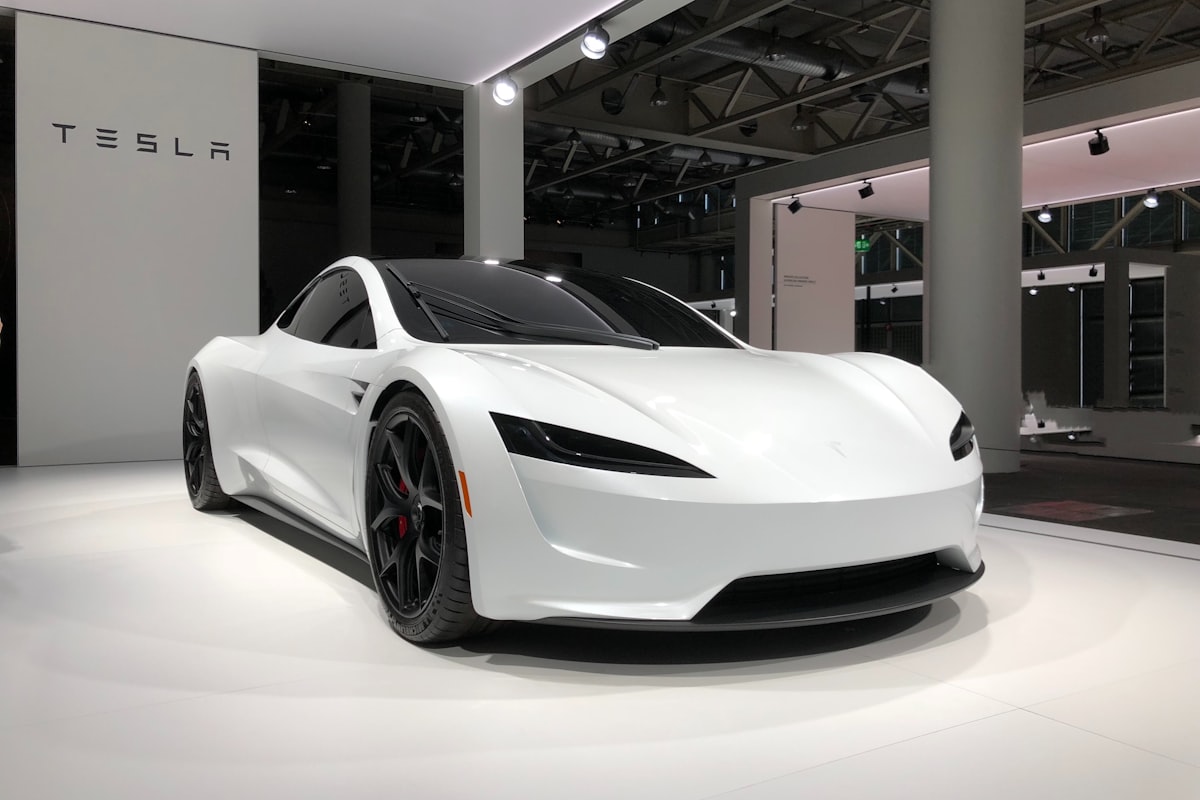
The automotive industry stands at the precipice of its most significant transformation since the invention of the automobile itself. Artificial Intelligence (AI) is not merely enhancing cars—it's fundamentally reimagining what vehicles can do, how they're built, and how we interact with them.
of new cars will have some AI capability by 2030
projected autonomous vehicle market by 2030
reduction in accidents with Level 4 AVs
AI in Manufacturing
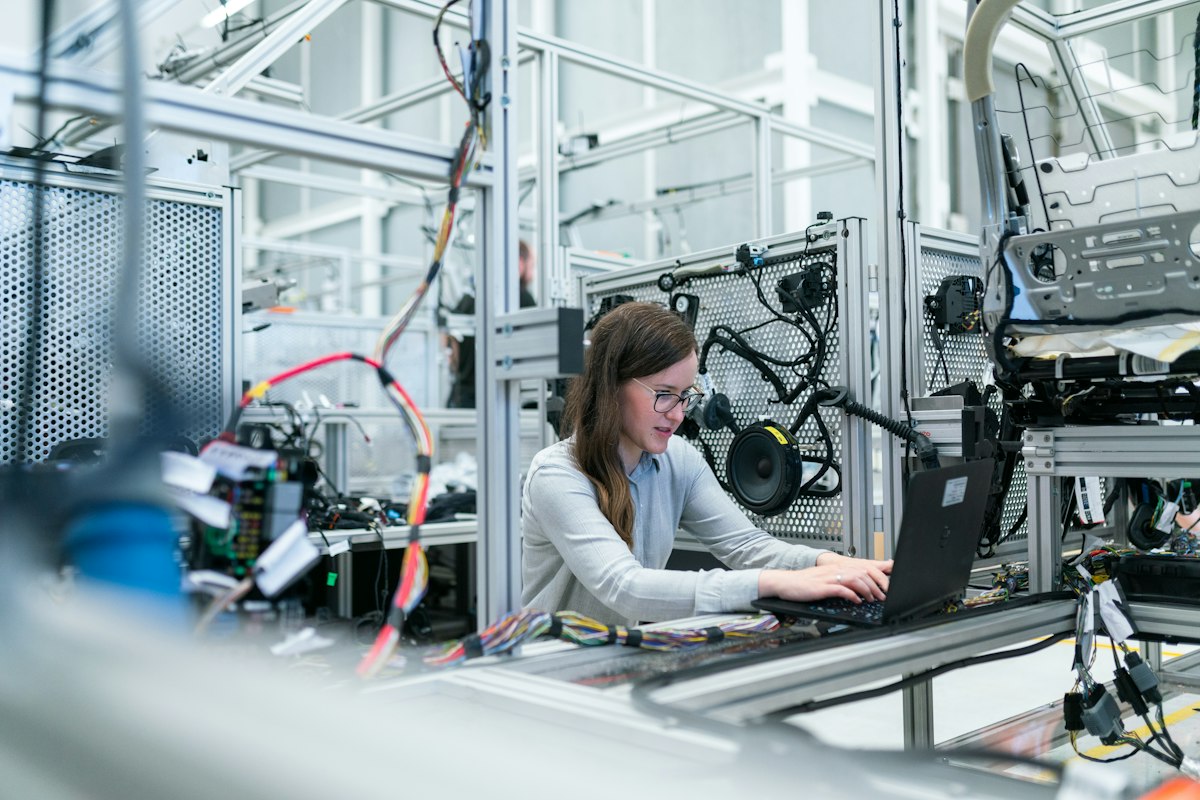
Car manufacturers are using AI-powered robots and computer vision systems to revolutionize quality control on the factory floor. These intelligent systems can detect microscopic defects that human inspectors would never catch, ensuring that every vehicle leaving the factory meets the highest standards.
Machine learning algorithms now predict equipment failures before they occur, reducing unplanned downtime by up to 50%. Major manufacturers like Toyota, BMW, and Tesla have already deployed these systems across their global facilities.
AI-Powered Driving Assistance
Modern vehicles are equipped with an array of AI systems that work together to create a safer driving experience. From adaptive cruise control that learns your driving patterns to automatic emergency braking that reacts faster than any human, AI is making our roads safer.
The Road to Full Autonomy
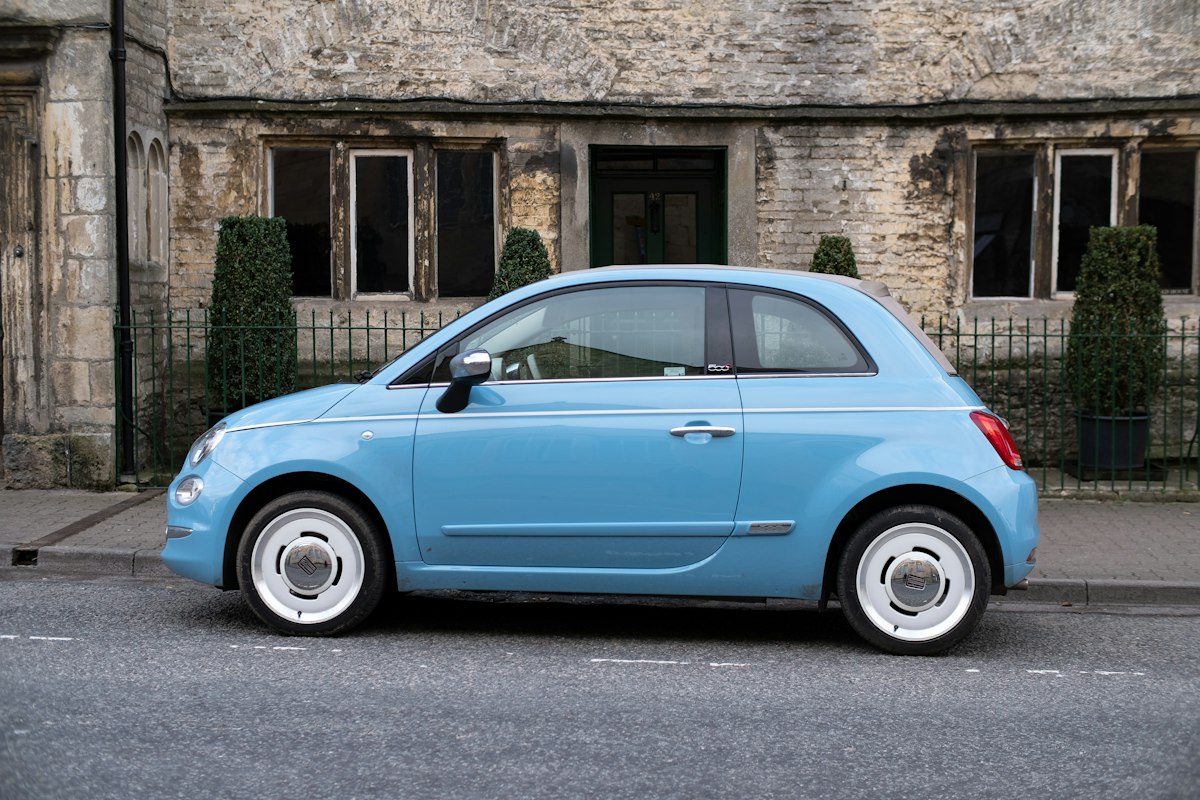
Level 4 autonomy—where vehicles can operate fully independently within defined geographical areas—is already a reality in robotaxi services. Waymo operates fully driverless vehicles in Phoenix and San Francisco, providing over 100,000 rides weekly without a human safety driver.
Key Takeaway
AI isn't replacing human drivers—it's augmenting our abilities, making roads safer and driving more accessible. The future of automotive isn't about removing humans from the equation; it's about creating a powerful partnership between human intuition and machine precision.